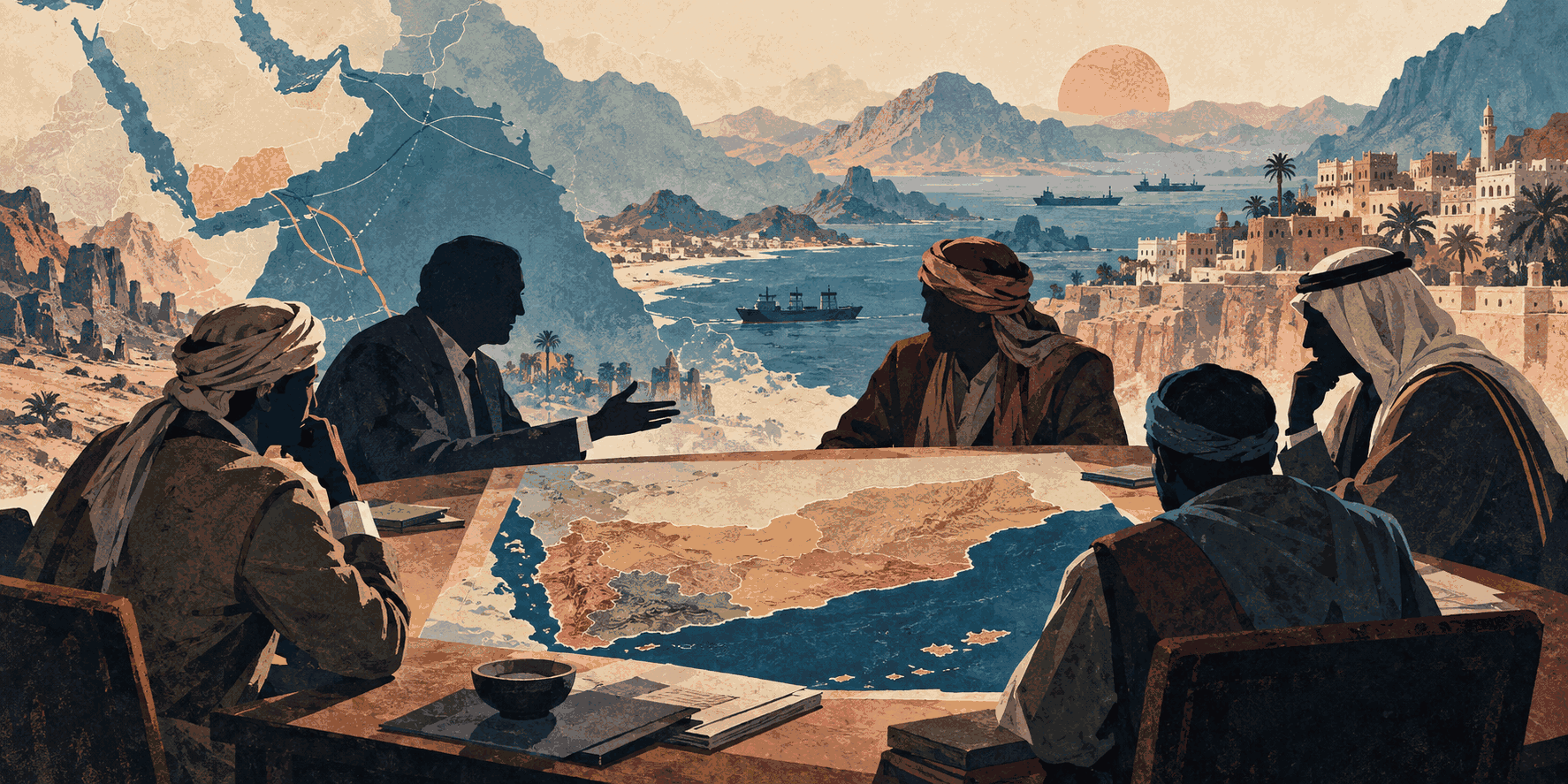
The 2011 uprising ended Ali Abdullah Saleh’s 33-year presidency, but the transition left disputes over military command and power-sharing unresolved. The Houthis expanded from Saada and entered Sana’a in September 2014. the origins of the war in Yemen is negotiated by governments, organised groups and populations with different security, economic and political constraints.
Reading confidence0% of the way to explored
Complex · 11 min read
The deeper explanation
The 2011 uprising pushed President Ali Abdullah Saleh from office and began a transition under Abdrabbuh Mansur Hadi. That process did not resolve disputes over military command, power-sharing or the distribution of state resources. The Houthis, based in northern Yemen, opposed the transition and expanded beyond Saada. In September 2014, they entered Sana’a with forces allied to Saleh. Hadi left the capital in early 2015 and later fled Yemen. Saudi Arabia then led a coalition intervention, saying it sought to restore his government. The Houthis remained in control of Sana’a, while other areas divided among government forces, southern separatists and local armed groups.
The immediate chain is specific to Understanding the Complexity of the Yemen War: The 2011 uprising ended Ali Abdullah Saleh’s 33-year presidency, but the transition left disputes over military command and power-sharing unresolved. The Houthis expanded from Saada and entered Sana’a in September 2014. The Houthis hold Sana’a and much of northern Yemen; the internationally recognised government and its partners hold other areas. The Southern Transitional Council competes with government forces for authority in the south, while Saudi Arabia and Iran back opposing sides. Yemen imports most of its food. Damage and restrictions affecting ports, roads, currency and oil exports raise the cost of grain and fuel, while unpaid public salaries leave families with less cash to buy them.
The system is constrained by the conditions described in the story. Control of Sana’a, southern ports and oil-producing areas affects who collects revenue, pays public workers and brings imported food into Yemen. The outcome depends on which pressures are strongest, which resources are available and how the people or institutions involved respond.
The situation can change when the relevant actors alter their behaviour, when a key resource becomes scarce or available, or when a rule changes who can act and at what cost.
The consequences extend beyond the immediate question. Yemen’s food crisis is tied to both household income and the cost of imports: reopening a port helps only if families can afford the goods arriving there. The 2011 uprising ended Ali Abdullah Saleh’s 33-year presidency, but the transition left disputes over military command and power-sharing unresolved. The Houthis expanded from Saada and entered Sana’a in September 2014. The Houthis hold Sana’a and much of northern Yemen; the internationally recognised government and its partners hold other areas. The Southern Transitional Council competes with government forces for authority in the south, while Saudi Arabia and Iran back opposing sides. Damage and restrictions affecting ports, roads, currency and oil exports raise the cost of grain and fuel, while unpaid public salaries leave families with less cash to buy them.
Territory: Houthi control of Sana’a, government-held areas and STC influence in the south divide authority. Revenue: Oil exports, customs and taxation determine whether rival administrations can pay workers and provide services. Imports: Port access, the rial’s value and shipping costs shape the price of wheat, fuel and medicine.
Why it matters
The date 2014 marks the Houthi takeover of Sana’a, but the war’s roots include the failed transition after the 2011 uprising. That distinction explains why restoring the prewar government alone would not settle disputes over northern representation, southern autonomy, military command or oil revenue. Yemen’s food crisis is tied to both household income and the cost of imports: reopening a port helps only if families can afford the goods arriving there.
The power network behind the origins of the war in Yemen
Alliances, trade routes, finance and information flows change the leverage available to each actor, so a local move can alter choices far beyond the original dispute.
Domestic politics and public budgets set the room for manoeuvre: leaders must convert external pressure into policies that people, institutions and markets will bear.
Story collection
6 questions to explore
Open a question to read its explainer and follow the linked questions in this collection.
- 01You are hereFeatured
- 02Who are the main parties involved in the conflict?
- 03What impact has the war had on civilians in Yemen?
- 04What role do international powers play in the Yemen conflict?
- 05Are there any ongoing peace efforts to resolve the conflict?
- 06What are the potential solutions for peace in Yemen?
The Price of the Choice
Yemen’s war has strengthened armed authorities, but each proposed route to peace distributes security and political power differently.
01
Who gains? Who loses?
One choice can shift advantages and costs in different directions.
Houthi leadership
PoliticalGainTaking Sana’a created de facto rule in much of the north and a seat at any serious negotiation.
CostWar and outside attacks expose the population under its rule to continuing insecurity.
Recognised authorities and southern groups
PoliticalGainRecognition gives the authorities a diplomatic role; UAE backing built local influence for southern separatists.
CostTheir rival visions—one state or southern independence—block a united negotiating position.
Yemeni civilians
HumanGainA ceasefire could reduce immediate exposure to fighting.
CostFragmented authority still disrupts safety, services and livelihoods.
02
What’s the catch?
Each apparent fix solves one problem—and may worsen another.
Retake territory by force
SolvesCould weaken an armed rival’s control.
ButDestruction can deepen without producing a government local factions accept.
Make a Saudi–Houthi deal first
SolvesCould reduce cross-border confrontation.
ButIt cannot settle who governs southern Yemen or bind every Yemeni faction.
Restore one central government
SolvesCould re-establish a national framework.
ButSouthern groups may reject rule from Sana’a unless they share real authority.
The unresolved choiceCan Yemen rebuild national authority while giving southern groups a genuine say in who governs them?
Meet the players
The actors who emerged from Yemen’s political breakdown did not want the same replacement for the old government. Their later alliances also changed: the cards distinguish those historical roles from their position today.
Yemeni movement
Houthis
Armed movement governing from Sana’a
Wants topreserve their rule in northern Yemen and force opponents to negotiate with them.
Read profile: Houthis
Also called Ansar Allah, the Houthis grew out of Yemen’s northern Zaydi community. They took Sana’a in 2014 and run governing institutions in the territory they hold.
Iranian weapons and technical assistance have helped extend their missile and drone reach. That gives them leverage against Saudi Arabia and shipping, but not control of all Yemen. Rival Yemeni forces and foreign military responses constrain them. Their own leadership makes decisions; Iranian backing does not prove that Tehran orders every attack.
What to watchWhether Houthi leaders exchange restrictions on attacks for negotiated access and political concessions.

Yemen’s recognised authorities
The internationally recognised government
Wants tore-establish state authority while holding together forces that oppose the Houthis.
Read profile: Yemen’s recognised authorities
The Presidential Leadership Council replaced President Hadi in 2022. International recognition gives these authorities a seat in diplomacy, but does not give them command over every armed group opposed to the Houthis.
Their Saudi-backed forces reversed southern separatist gains in January 2026. Rival commanders and competing claims over southern Yemen still complicate a common negotiating position. A deal signed by recognised officials therefore needs cooperation from forces that actually control territory.
What to watchWhether the council can turn agreements among leaders into orders that local forces follow.
Saudi Arabia
Border power and government backer
Wants toprevent hostile attacks across its southern border and retain influence over a neighbouring Yemen.
Read profile: Saudi Arabia
The Saudi government led the 2015 intervention to restore Hadi’s government, viewing the Iran-backed Houthis as a border threat. It can supply money, military backing and diplomatic support to Yemen’s recognised authorities.
Those tools cannot make Yemeni factions share a political goal. Saudi Arabia and the UAE have supported different partners in the south; their confrontation there in early 2026 exposed that split. Saudi talks with the Houthis alone cannot settle southern demands about who governs them.
What to watchWhether Riyadh’s arrangements with the Houthis also leave a workable role for other Yemeni parties.

United Arab Emirates
Backer of southern armed partners
Wants toretain influence through Yemeni partners, including forces that have challenged the Saudi-backed government.
Read profile: United Arab Emirates
The UAE joined the Saudi-led coalition but backed the Southern Transitional Council and other local forces. Its partners’ ambitions in southern Yemen did not match Riyadh’s support for the recognised authorities.
After the separatists’ reversal, the UAE withdrew its remaining forces in January 2026. Earlier military support built relationships, not unlimited control: local allies pursue their own goals, and Saudi opposition limits what Emirati backing can achieve. Analysts caution that troop withdrawal need not mean an end to political influence.
What to watchWhether Abu Dhabi and Riyadh reach an accommodation over their competing Yemeni partnerships.
Iran
Weapons and technical backer of the Houthis
Wants touse its Houthi partnership to exert influence near Saudi Arabia and the Red Sea.
Read profile: Iran
Iran has supplied the Houthis with weapons expertise, training and military assistance, according to UN reporting and specialist research. Missiles and drones let a Yemeni movement threaten targets beyond its territory.
The relationship gives Tehran a way to put pressure on regional opponents without deploying a conventional army in Yemen. But the Houthis have their own leadership and priorities. Iran can help equip them; it cannot be assumed to control each decision or deliver their agreement to a settlement.
What to watchChanges in arms transfers and technical assistance, rather than treating every Houthi action as an Iranian order.
Sources: [1]
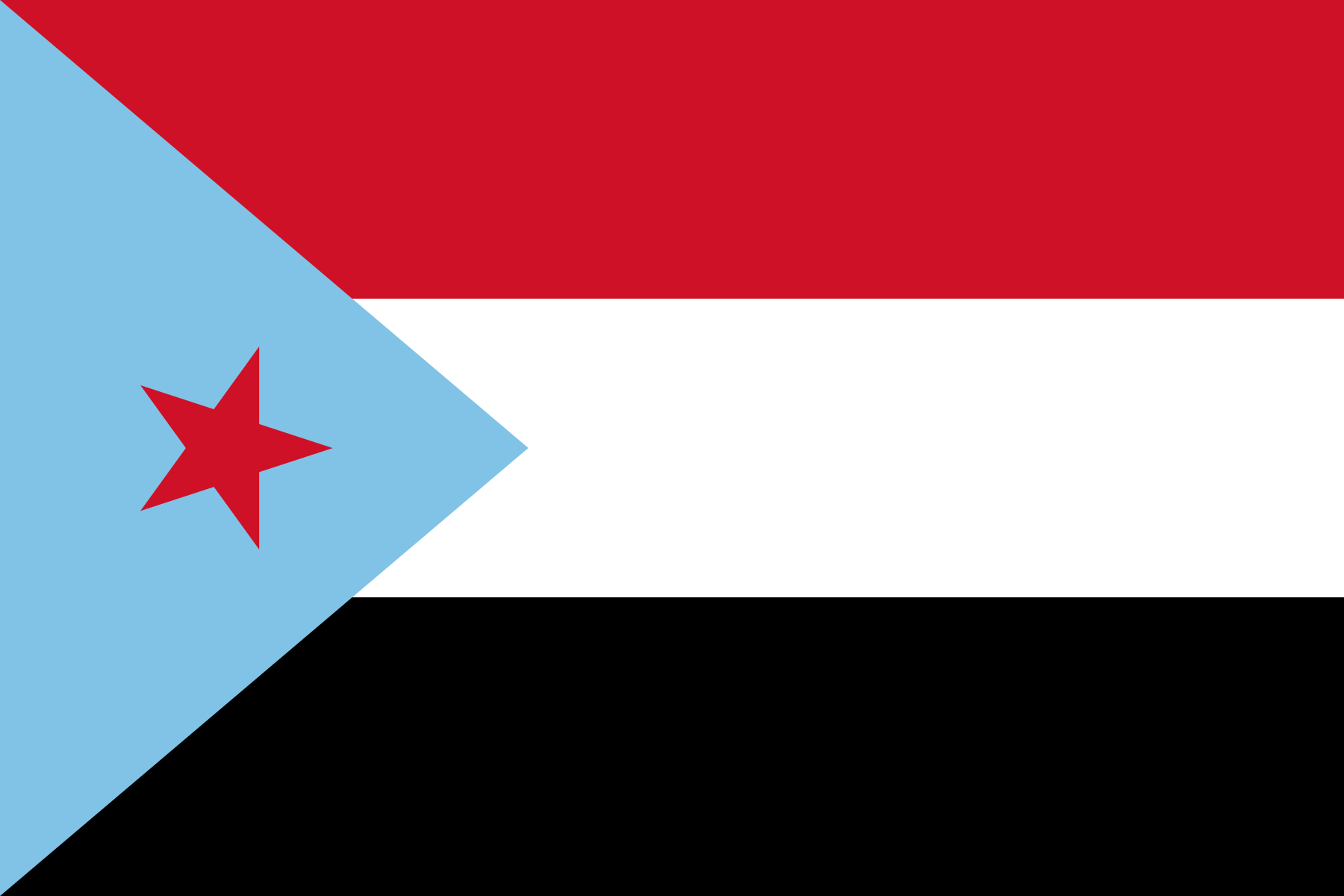
Southern Transitional Council
Southern independence movement in upheaval
Wants toseek a separate southern state, rather than simply replace the Houthis with a united Yemeni government.
Read profile: Southern Transitional Council
Backed by the UAE, the STC fought the Houthis while also challenging Yemen’s recognised authorities. Saudi-backed forces overturned its territorial gains in January 2026.
Some delegates then announced its dissolution; other representatives rejected their authority to do so. A September parliamentary briefing reports a relaunch as the Transitional Council of South Arabia. Its losses limit its military leverage, but the southern independence demand remains a separate issue for any settlement.
What to watchWho can credibly represent southern separatists in talks after the movement’s split and reorganisation.

Abdul-Malik al-Houthi
Houthi leader setting the movement’s political and military line
Wants topreserve Houthi authority while using military pressure to improve its negotiating position
LeverageControl over Houthi political messaging, military escalation and participation in talks.
Read profile: Abdul-Malik al-Houthi
Abdul-Malik al-Houthi is the movement’s principal public leader. His speeches and decisions help set how the Houthis combine governing authority in northern Yemen with military pressure on opponents and shipping.
He can approve a change in the movement’s posture, but he does not command every local network or erase Yemen’s other political claims. Access to weapons, pressure from Iran, civilian costs and the need to preserve internal support constrain his choices.
What to watchWhether his leadership converts military leverage into a settlement that other Yemeni actors can accept.
Sources: [1]
Portrait: image source

Rashad al-Alimi
Chair of Yemen’s Presidential Leadership Council
Wants tokeep the internationally recognised authorities represented while holding their coalition together
LeverageFormal recognition and access to international diplomacy, but limited command over coalition forces.
Read profile: Rashad al-Alimi
Rashad al-Alimi chairs the Presidential Leadership Council rather than governing a unified Yemeni state. His role matters because international recognition gives the council a diplomatic seat, while actual military and administrative power is divided among partners.
He can endorse a national framework and negotiate with outside backers, but needs rival commanders and southern representatives to implement any agreement. Saudi support, factional competition and the council’s limited control constrain his authority.
What to watchWhether the council can turn a negotiated text into instructions that local forces actually follow.
Sources: [1]
Portrait: image source
Sources & visual credits
The STC lost its territorial position in January 2026. Its disputed dissolution and subsequent reorganisation are explained in its profile. The historical southern flag identifies that movement; it is not Yemen’s national flag.
- House of Commons Library · Yemen in 2026, updated 11 September 2026
- Council on Foreign Relations · Yemen’s war and its historical alliances
- Council on Foreign Relations · Iran’s support for the Houthis, April 2026
- Chatham House · Saudi–Emirati differences over Yemen, January 2026
- Reuters · Conflicting accounts of the STC’s dissolution, 9–10 January 2026
Flags and logos identify the actors; they do not imply endorsement.
- Yemen flag — Wikimedia Commons. Public-domain artwork; applicable trademarks remain with their owners.
- Saudi Arabia flag — Wikimedia Commons. Public-domain artwork; applicable trademarks remain with their owners.
- United Arab Emirates flag — Wikimedia Commons. Public-domain artwork; applicable trademarks remain with their owners.
- Iran flag — Wikimedia Commons. Public-domain artwork; applicable trademarks remain with their owners.
- Historical South Yemen flag — Wikimedia Commons. Public-domain artwork; applicable trademarks remain with their owners.
The mountain illustration represents the Houthis’ northern Yemeni origins; it is not their emblem.
System lens
What makes this more complicated?
Three layers that help explain what changes the outcome.
Starting conditions
History, resources and institutional capacity set the starting position before the visible outcome appears.
Limits and trade-offs
Rules, capacity and competing priorities limit which responses are practical, even when several options look possible.
Choices and distribution
The outcome depends on who can change those conditions and how its consequences are shared.
What happens next?
Too uncertain to forecast responsibly
Explore the topic
Try a complex prompt
Use this question to continue the explanation at the depth you selected.
Analyse this story as a connected technical and social system. Cover the underlying mechanism, infrastructure, maturity, safety, economics, regulation, access, unintended consequences and the largest sources of uncertainty.
10 essential words
Houthi MovementA political and armed group from northern Yemen, involved in the conflict.
Saudi ArabiaA key regional power supporting the Yemeni government against Houthi forces.
UAEThe United Arab Emirates, a coalition partner with Saudi Arabia in the conflict.
Civilian CasualtiesNon-combatant individuals who are harmed or killed during armed conflicts.
Humanitarian CrisisA situation in which a large number of people suffer from severe deprivation of basic needs.
Peace TalksNegotiations aimed at resolving a conflict and establishing peace.
UN InvolvementThe role of the United Nations in mediating and providing humanitarian assistance.
Proxy WarA conflict where two opposing countries support combatants that serve their interests.
CeasefireA temporary stoppage of fighting, often a step towards peace negotiations.
RefugeesIndividuals forced to flee their country due to conflict or persecution.
Editorial transparency
What is established, interpreted and still open?
The linked sources establish the factual basis for this explanation.
This story will be reviewed as new evidence emerges.
The explanation separates established facts from interpretation.
The picture may evolve as policy and evidence change.
Evidence behind the explanation
How we work ↗Sources to start with
These references anchor the key facts and give you a path to explore further.
- UN OCHA — Yemen Humanitarian Needs and Response Plan 2026unocha.org
- UN Special Envoy for Yemen — briefings and peace processosesgy.unmissions.org
- World Bank — Yemen country overview and economic updatesworldbank.org
- UNICEF — Yemen humanitarian crisisunicef.org
- UN Security Council — Yemen resolutions and reportsun.org
One quick check, then keep exploring.
Question 1 of 3
What are the origins of the war in Yemen?
Take the question with you
Visit the shop →Make complex ideas conversation starters.
Explore humorous products inspired by stories such as Understanding the Complexity of the Yemen War.
Understand the next story
One clear briefing, every week.
Three topics worth understanding, without the noise.
Next explanation
Explore next →